Organic Food: What it is and Why it Matters
Organic food is becoming increasingly popular as people become more health-conscious and concerned about the environment. But what exactly is organic food, and what makes it different from conventionally-grown produce and animal products? In this article, we’ll explore the basics of organic food and its potential benefits for both our bodies and the planet.
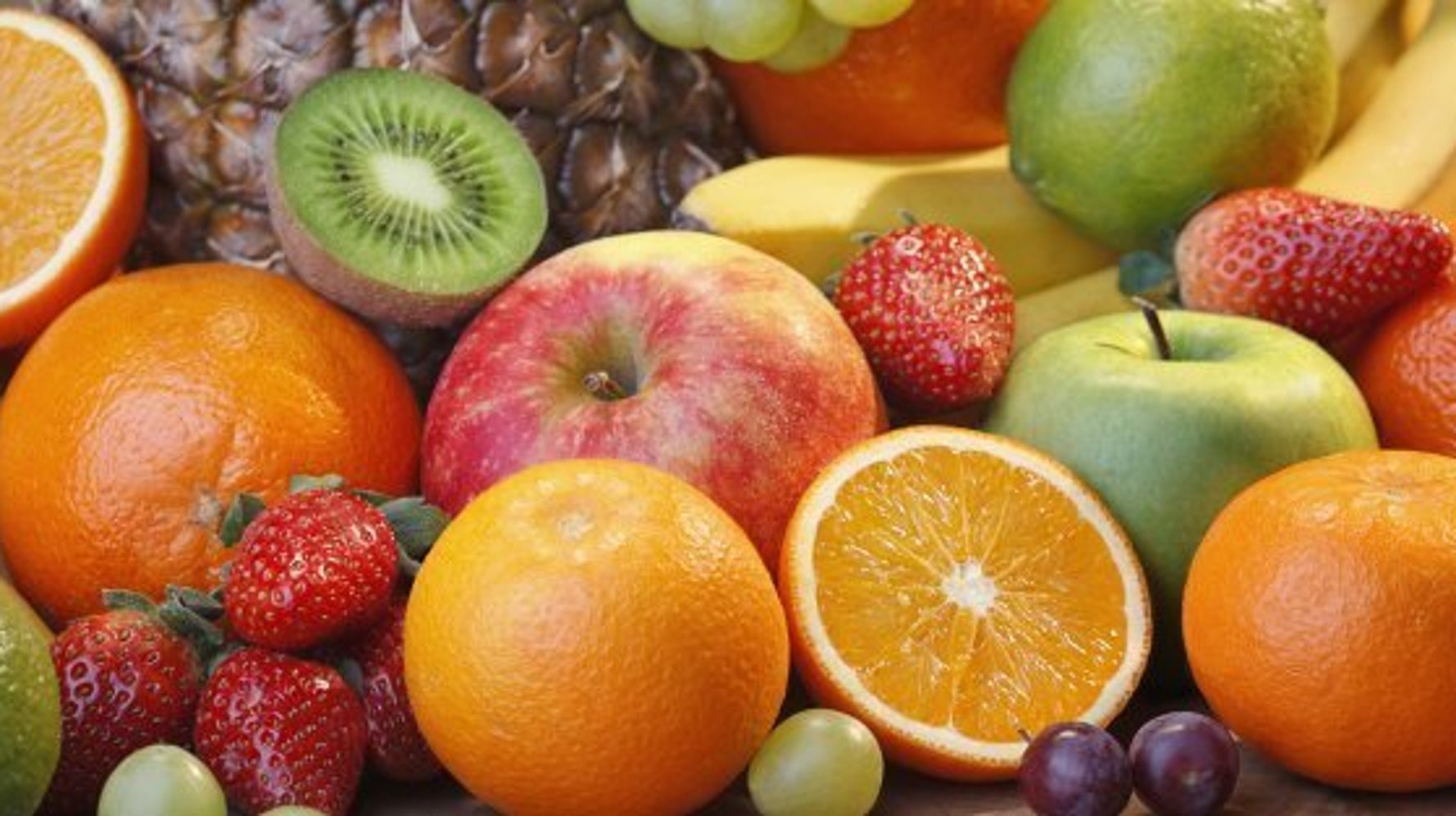
What is Organic Food?
Organic food refers to produce and animal products that are grown or raised without the use of synthetic pesticides, fertilizers, genetically modified organisms (GMOs), or antibiotics. Organic farming practices prioritize the use of natural methods to promote soil health and biodiversity, such as crop rotation, composting, and cover cropping healthandpersonalcare. Livestock raised organically must be given access to the outdoors and fed a diet free of GMOs and animal byproducts.
Why Choose Organic?
There are several potential benefits to choosing organic food over conventionally-grown alternatives:
Health: Organic food is often touted as being healthier because it is grown without synthetic pesticides and fertilizers. While the evidence is mixed, some studies have suggested that organic produce may have higher levels of certain nutrients, such as vitamin C and antioxidants. Additionally, organic animal products may contain lower levels of antibiotics and hormones, which can be harmful to human health in large amounts.
Environment: Organic farming practices prioritize sustainability and biodiversity, which can benefit the surrounding ecosystem. For example, using natural pest control methods can reduce the amount of pesticide runoff into nearby water sources, which can harm aquatic life. Organic farming can also help reduce greenhouse gas emissions, as natural methods of soil management can sequester carbon.
Taste: Many people report that organic produce and animal products taste better than conventionally-grown alternatives. This may be because organic farming practices prioritize soil health, which can lead to more flavorful and nutritious crops.
How to Shop for Organic Food
If you’re interested in incorporating more organic food into your diet, there are a few things to keep in mind when shopping:
Look for the USDA Organic label: This label indicates that the product has been certified organic by the United States Department of Agriculture (USDA), meaning it meets strict standards for organic farming practices FindOutCBD.
Consider buying local: While not all local farms may be certified organic, many small-scale farmers use sustainable and organic farming practices even if they don’t have the resources to obtain certification. Buying from local farms can also reduce your carbon footprint by reducing the distance your food travels.
Prioritize organic for the “dirty dozen”: The Environmental Working Group (EWG) publishes an annual list of the “dirty dozen,” or the fruits and vegetables with the highest levels of pesticide residue. Prioritizing organic for these items can reduce your exposure to potentially harmful chemicals.
Conclusion
Organic food may offer several potential benefits for both our health and the environment. While it may be more expensive than conventionally-grown alternatives, many people feel that the potential benefits outweigh the cost. By prioritizing organic for certain items and buying local when possible, you can incorporate more organic food into your diet and support sustainable farming practices.
posted by Maria @ 9:29 PM
0 Comments